


What you need to know about rooftop solar
Thinking about installing rooftop solar? Before you invest in a solar power system, it’s important to understand how solar works, what it costs, and whether it’s the right fit for your home or business. This guide brings together the essential information you need to know before installing solar panels, helping you make a confident and informed decision. Whether you're just starting your research or preparing to request a solar quote, this page will help you understand what to expect and how to get the most from your solar investment.
Is Solar Right for You?
What are the solar costs, fees, rebates and export values?
Installing rooftop solar involves upfront costs for equipment, installation, and connecting your system to the electricity network. However, these costs can be offset by government rebates and incentives, as well as ongoing savings on your energy bills. You may also be able to earn value by exporting excess electricity back to the grid through feed-in tariffs, helping improve the overall return on your solar investment.
How do you get the most from your solar system?
Rooftop solar isn’t a set-and-forget investment—getting the most value from your system requires some ongoing attention and understanding. By keeping your panels well maintained, monitoring how and when you use electricity, and ensuring your system stays connected and operating efficiently, you can maximise both your self-consumption and the value of any energy you export to the grid. Taking an active role in how your system performs will help you get the best return from your solar investment over time.

Basic Maintenance
Regular maintenance keeps your solar panel system safe and efficient. Each year, you should:
Clean the panels by removing dirt and grime. Be sure to refer to the manufacturer’s guide beforehand, or hire a professional to do the work for you.
Follow the maintenance schedule from your installer to maximise efficiency of the panels.

Self Consumption vs Export
Using your solar power at home is the best way to save money on your electricity bill. While you get paid a little for sending extra energy to the grid, it’s less than what you pay for electricity when your system isn’t producing any.
To get the most out of your rooftop solar system, try shifting more of your electricity usage to peak solar production time (when the sun's out). Here are some tips:
If you have devices that use a lot of electricity (like an electric vehicle, washing machine, or dishwasher), try to use or charge them during the day when your solar panels are producing power.
Invest in smart devices or a home energy management systems to automate usage to when your solar is producing energy during the day.

Tracking Your Electricity Usage
Did you know you can view and manage your electricity bill by logging into My Portal?
Check on your electricity consumption and compare it to other users in your suburb. Check your home's CO2 emissions and set targets to reduce them by managing your electricity use efficiently. Save money by comparing energy retailer offers on websites like Victorian Energy Compare.

Keep Your System Connected to the Internet
From 1 October 2024, all new or upgraded solar system inverters must remain connected to the internet.
Ask your installer how to check the connection using your solar app and how to reconnect if your connection is lost. If your internet connection is not stable, ask for advice on arranging a wired internet connection.
What technology is used in a typical solar system?
Solar systems use a combination of equipment to generate, convert, and manage electricity safely for your home and the network.
A solar system is made up of panels, an inverter, and supporting equipment that work together to generate and manage electricity safely—either for your home, the grid, or both. Modern systems may also include monitoring tools and, in some cases, battery storage to help you track and optimise your energy use. As part of the quoting process, accredited solar installers will assess your property and recommend the most suitable products, system size, and technologies for your home or business. Understanding the basic components and how they work together can help you feel more confident when comparing options and making decisions about your solar installation.
A typical solar setup includes:
Solar panels (PV panels) – These sit on your roof and convert sunlight into electricity.
Inverter – This converts the electricity from the panels into a form your home can use. It also helps manage how electricity flows to and from the grid.
Meter (smart meter) – Tracks how much electricity you use from the grid and how much solar energy you export back. Your smart meter must be solar configured for this.
Electrical wiring and protection equipment – Includes switches and safety devices to ensure your system operates safely.
Optional: Battery storage – Stores excess solar energy so you can use it later, such as at night.
Types of Solar Systems
Grid-connected solar (most common)
- Connected to the electricity network
- Powers your home first, with excess energy exported to the grid
- Requires approval before connection
Grid-connected with battery
- Includes a battery to store unused solar energy
- Helps reduce reliance on the grid
- Can provide backup power (depending on setup)
Off-grid solar
- Not connected to the electricity network
- Uses batteries to store all energy
- Typically used in remote areas without network access
How they work
Grid-connected solar
- During the day, your solar panels produce electricity.
- This power is used in your home first.
- If you generate more than you need, the excess can be sent to the electricity network or to a battery.
- If you don’t generate enough (like at night), you draw power from the grid or a battery.
- All systems must meet technical and Australian safety standards before connection
- Equipment like inverters helps ensure safe operation and grid stability
- System size and export levels may be limited to protect the network and other customers
Off-grid solar
- During the day, your solar panels produce electricity to use in your home and store in a battery
- When your solar panels don’t generate electricity (like at night), you draw power from a battery.
AC vs DC Coupled Systems
Simple summary
- DC-coupled systems store solar energy more efficiently before conversion
- AC-coupled systems are easier to install with existing solar setups
- Both safely supply power to your home and the electricity network
What do AC and DC mean?
- DC (Direct Current) is the type of electricity produced by solar panels
- AC (Alternating Current) is the type of electricity your home and the grid use
- Your system needs to convert DC to AC so your home and the network can use it.
DC-Coupled System
In a DC-coupled system, the solar panels and battery are connected together on the same side (before the inverter).
How it works:
- Solar panels generate DC electricity
- That DC power can go directly into the battery
- The inverter then converts it into AC for your home or the grid
In simple terms:
- The battery stores solar energy before it’s converted
Why it’s used:
- More efficient (less energy lost in conversion)
- Often used in newer or all-in-one systems
AC-Coupled System
In an AC-coupled system, the solar system and battery are connected separately.
How it works:
Solar panels generate DC electricity
- The solar inverter converts it to AC
- The battery then converts it back to DC to store it
- When needed, it converts back to AC again
In simple terms:
- The battery stores energy after it’s converted
Why it’s used:
- Easier to add a battery to an existing solar system
- More flexible for upgrades
Key difference (easy way to understand)
- DC-coupled = fewer conversions → more efficient
- AC-coupled = more flexible → easier to retrofit
Key difference (easy way to understand)
- DC-coupled = fewer conversions → more efficient
- AC-coupled = more flexible → easier to retrofit
Why this matters
From a network perspective:
- Both systems must meet connection and inverter requirements
- AC-coupled systems may have separate inverters to manage
- The way energy flows can affect export limits and system performance
Other Technologies
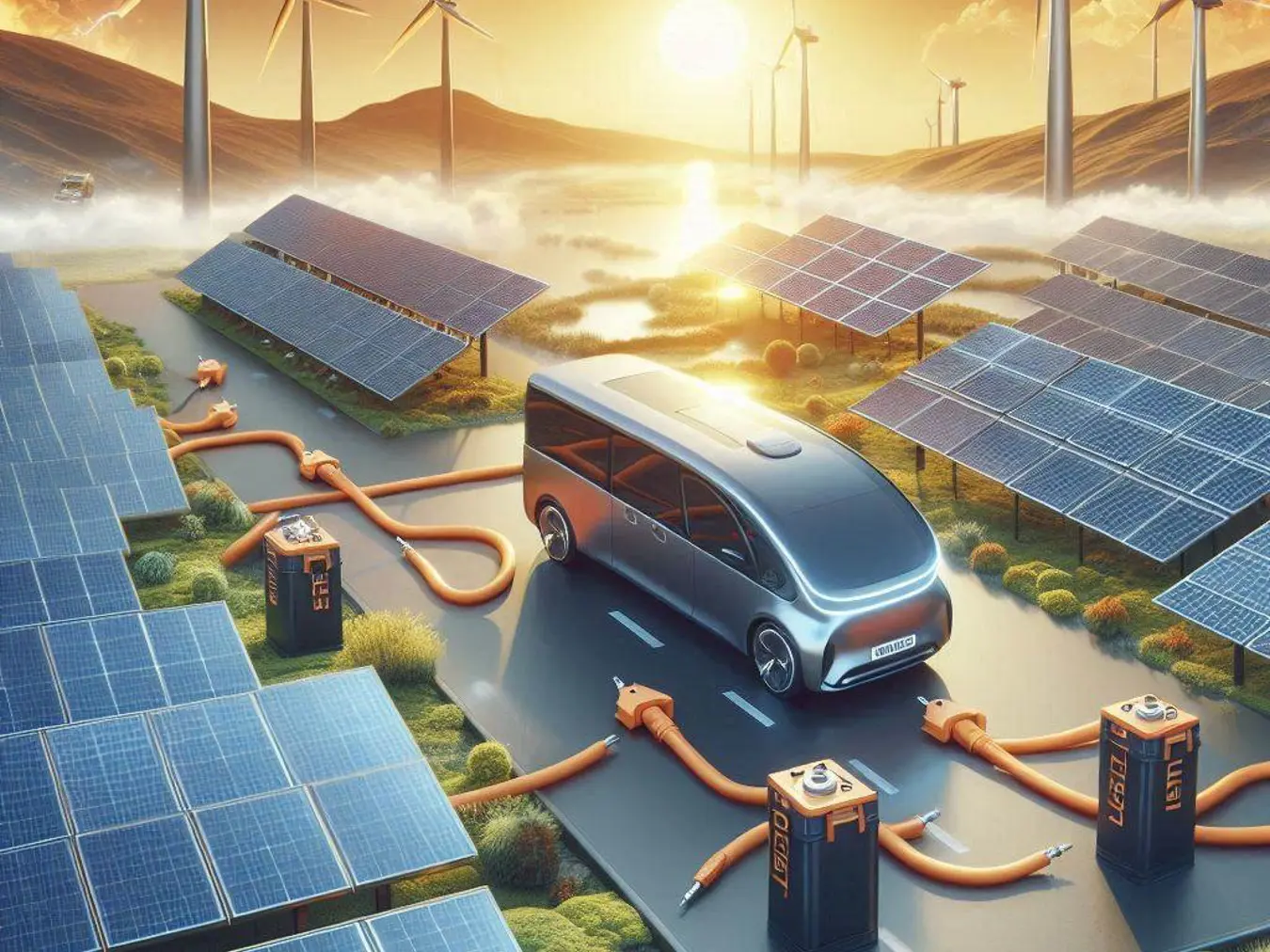
Types of Embedded Generation include:
Inverter Energy Systems (IES)
- Battery Storage (when exporting to the network)
- Wind generators
- Solar panels
Non-IES (rotating)
- Synchronous machines like diesel generators or gas generators
- Induction machine
All generation systems that require a connection to our electricity network must be reviewed and approved by Jemena prior to connection and operation. This is to ensure safety and compliance.