


Victoria’s Emergency Backstop Mechanism
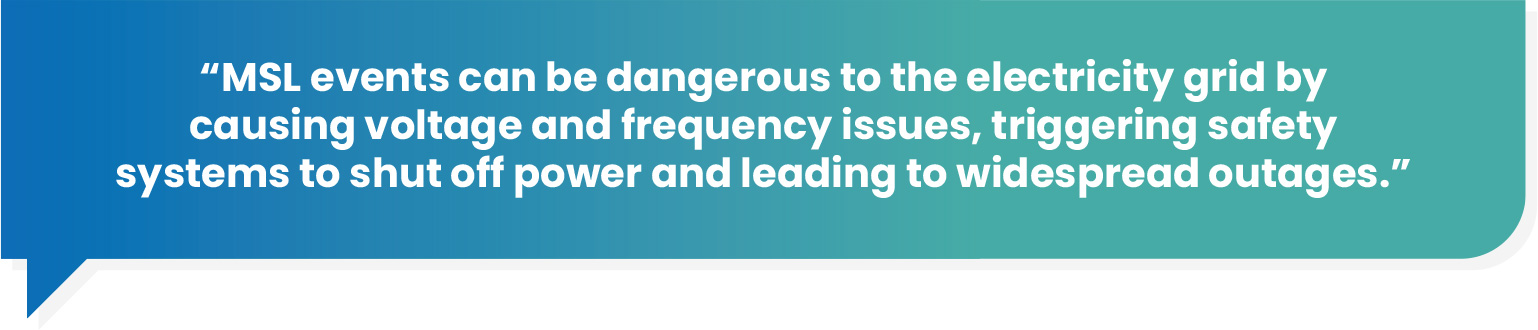
While this is great, it can create supply and demand imbalances within our electricity network. This is particularly true on days when demand from the electricity grid is low and solar generation is high - an occurrence that can lead to an emergency situation known as a minimum system load (MSL) event.
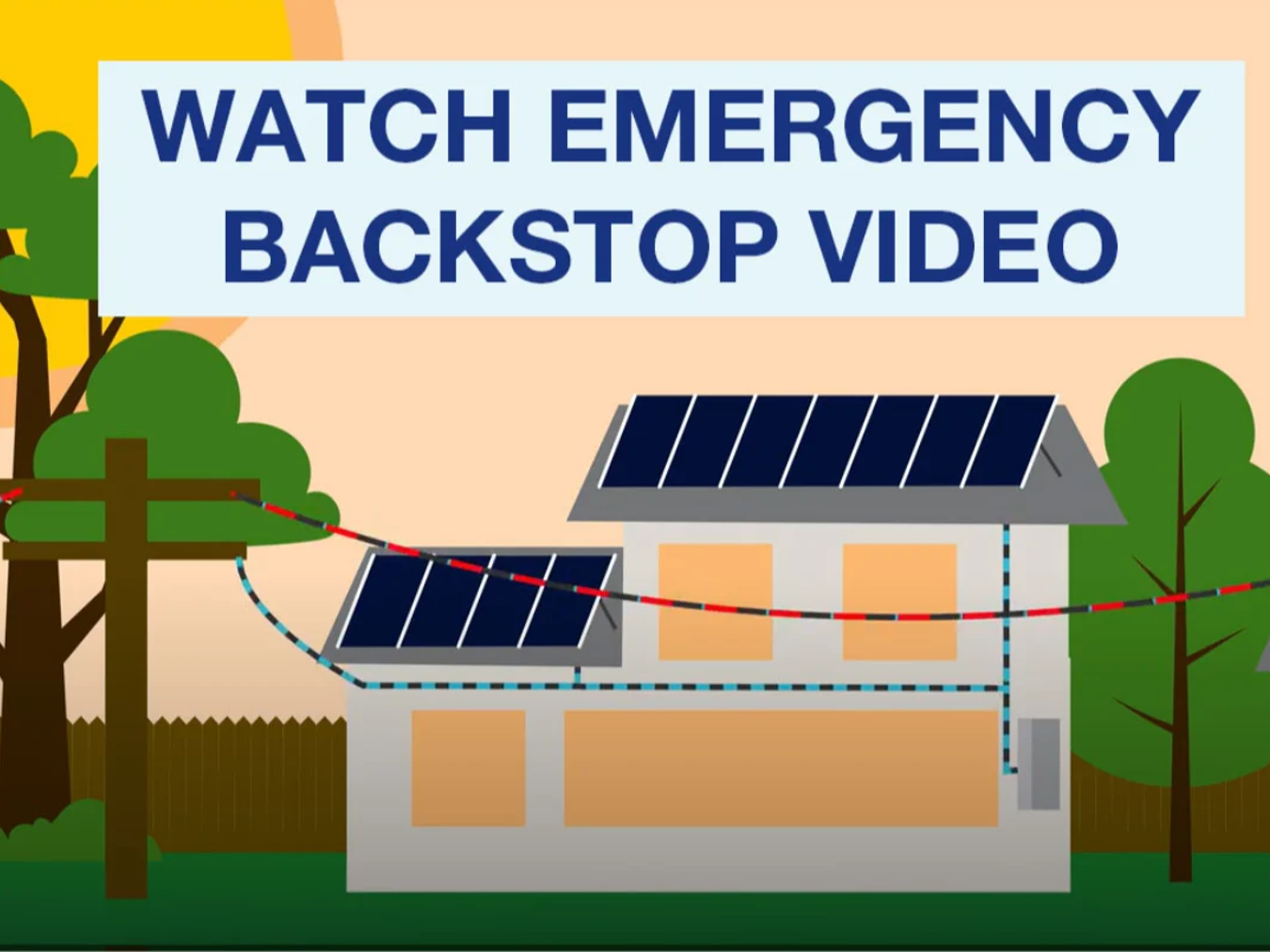

Emergency Backstop for solar PV systems
To manage the risks of an MSL event occurring, the Victorian Government has introduced changes to ensure customers can continue to enjoy renewable energy solutions safely, securely and affordably into the future.
Known as the Emergency Backstop Mechanism, the changes apply to new, replacement and upgraded solar PV installations up to and including 200kVA, that are connected to an electricity network like Jemena’s. Please note, the average residential system is typically less than 10KVA per phase (30KVA for three phase).
You can read more about the changes on the DEECA website here.
Requirements of the Emergency Backstop
From 1 October 2024, solar systems installed by customers on Jemena’s electricity network must be able to be accessed remotely so we can manage the amount of solar being generated if an MSL event occurs. For systems larger than 200kVA, this requirement took effect in October 2023.
Existing solar customers will not be impacted by these changes, unless upgrading or replacing a system. These requirements do not apply to customers that have submitted a Pre-approval application to Jemena prior to 1 October 2024.
Should an MSL event occur, Jemena will be directed by the Australian Energy Market Operator (AEMO) or an equivalent regulator to reduce solar exports, so that customers can continue using their solar generated electricity for self-consumption. If the grid remains insecure, we may need to switch PV systems off altogether for a short period of time.
To ensure we’re able to access your solar PV system remotely:
1. The inverter must be on the Clean Energy Council’s list of approved AS-4777.2.2020 CSIP-Aus inverters (these inverters are capable of being remotely controlled),
2. The inverter must be connected to the internet at all times, and
3. The inverter must be on the list of Clean Energy Council CSIP-Aus compliant inverters also approved for Jemena connection.
Emergency Backstop Information
The Emergency Backstop Mechanism is a grid-security safeguard mandated by the Victorian Government. It ensures that new, upgraded or replacement rooftop solar systems are capable of being remotely controlled only during rare but unstable operation periods called “minimum system load” events — which occur especially when solar export is high, but electricity demand is low.
Why it’s important
Protecting the grid ensures your electricity stays safe and reliable. As more solar is added, the grid needs smarter controls to manage the extra energy. These protections stop voltage problems, prevent outages, and help Australia use more renewable power without risking the stability of the electricity network.
What happens in an emergency
In a rare event – if the grid becomes unstable due to excess solar generation and low demand, Network Operators (on direction from Australian Energy Market Operator) can remotely control the limit of your solar exported or temporarily shut off your solar system — as a last-resort measure
This does not affect the power supply from the grid to your home but it does affect your use your solar system.
What does this mean?
- Rooftop solar systems must use inverters compliant with the national standard Common Smart Inverter Profile Australia (CSIPAUS), or equivalent. ‑AUS), or equivalent.
- The inverter (export-control device) must be connected to the internet so network operators can send curtailment commands to control your solar system if required.
- From 25 October 2023 — for all new or replacement systems > 200 kVA (large solar installations).
- From 1 October 2024 — for all new, upgraded or replacement rooftop solar systems ≤ 200 kVA (small/medium systems), and systems whose inverter is replaced (unless like-for-like under warranty).
Frequently Asked Questions and additional support
Below are some frequently asked questions customers and installers may find useful. Other resources include:
- Victoria's emergency backstop mechanism for solar (DEECA website) - This also includes a Customer Factsheet.
- Customer Installation Journey
- Solar PV Health Check for customers
- Solar industry guidance (DEECA website)